
How We Work
From the First Call to the Last Car.
Seven stages, from the first phone call to the record we hand over when everyone has gone home. This is what actually happens between them.
Almost all of this happens before anyone sees a venue.
By the time your guests arrive, the part of our work that is visible is the smallest part of it. The calls, the counts, the briefs and the walk-throughs are already finished, and what a guest experiences on the night is the result of them rather than the work itself. Naming what happens in that time is the whole point of this page.
The Arc
Seven Stages, in the Order They Happen.
Each one ends with something in your hands rather than a reassurance. Those are set in gold at the foot of every stage.
The Enquiry

A conversation before a quotation.
The first call is mostly us asking questions. What the event is, when it falls, where it is being held, how many days it actually runs, and who is already involved — a décor company, a planner, a hotel, a family member who has taken charge of half of it.
We would rather understand one event properly than price a category. Two weddings with the same guest count can need completely different crews, and the only way to know which one you have is to ask before quoting rather than after.
You end this stage with A straight answer on what your event takes to run, and on whether we are the right team to run it.
Reading the Event
An event is defined by its constraints, not its category.
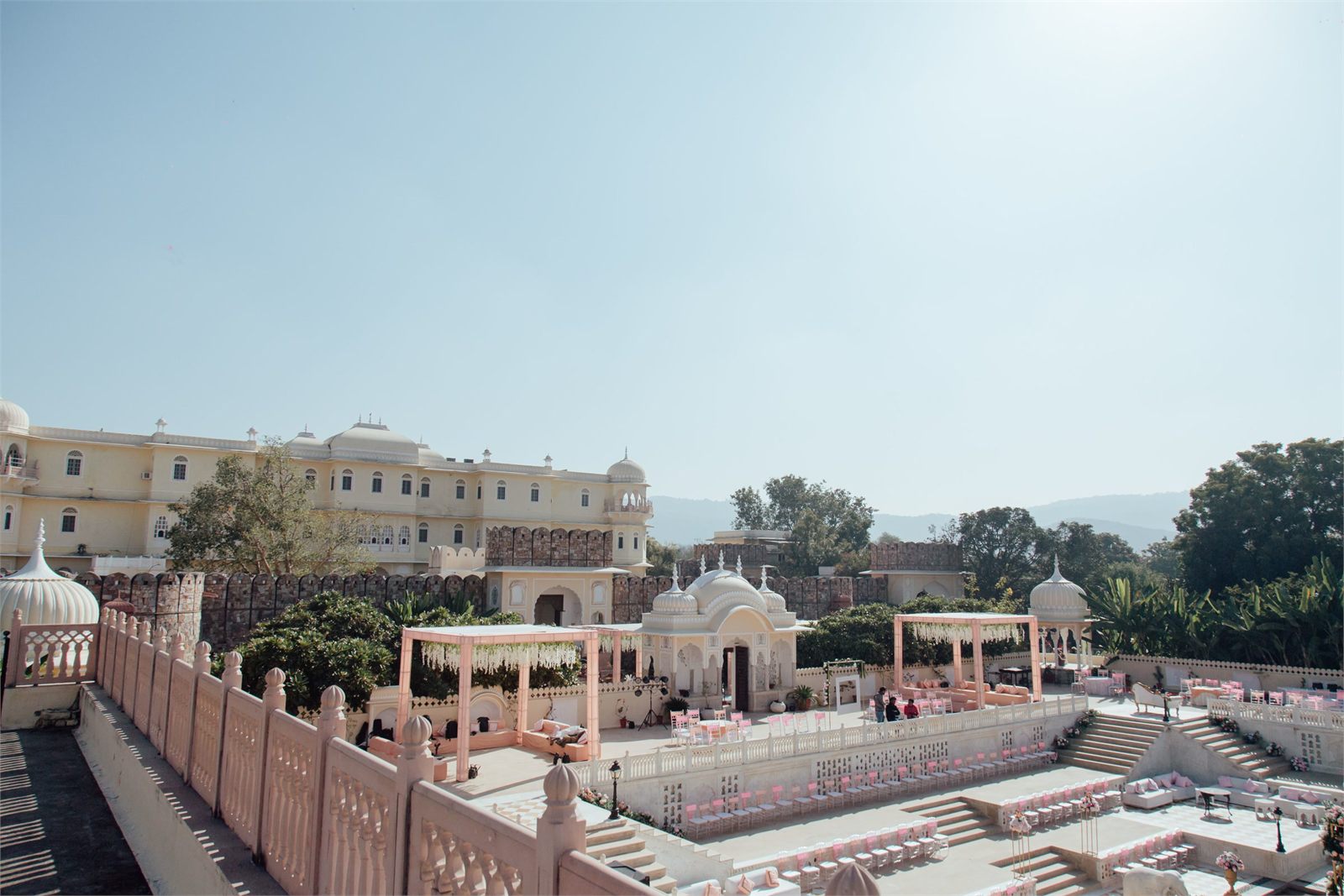
How many venues, and how far apart. How many functions land on the same day. When the first guests arrive and how late the last ones land. Whether a room has to be turned around between two things, and how long that leaves. Whether guests are staying in one hotel or four.
These are the answers that decide everything downstream — how large the crew is, when it arrives, where it stands and what it is briefed to watch. Getting them wrong at this stage is not recoverable later by working harder on the day.
You end this stage with A shared picture of the venues, the days, the distances and the timings that everything after this is planned against.
The Deployment Plan
Which roles, how many of each, and who leads them.
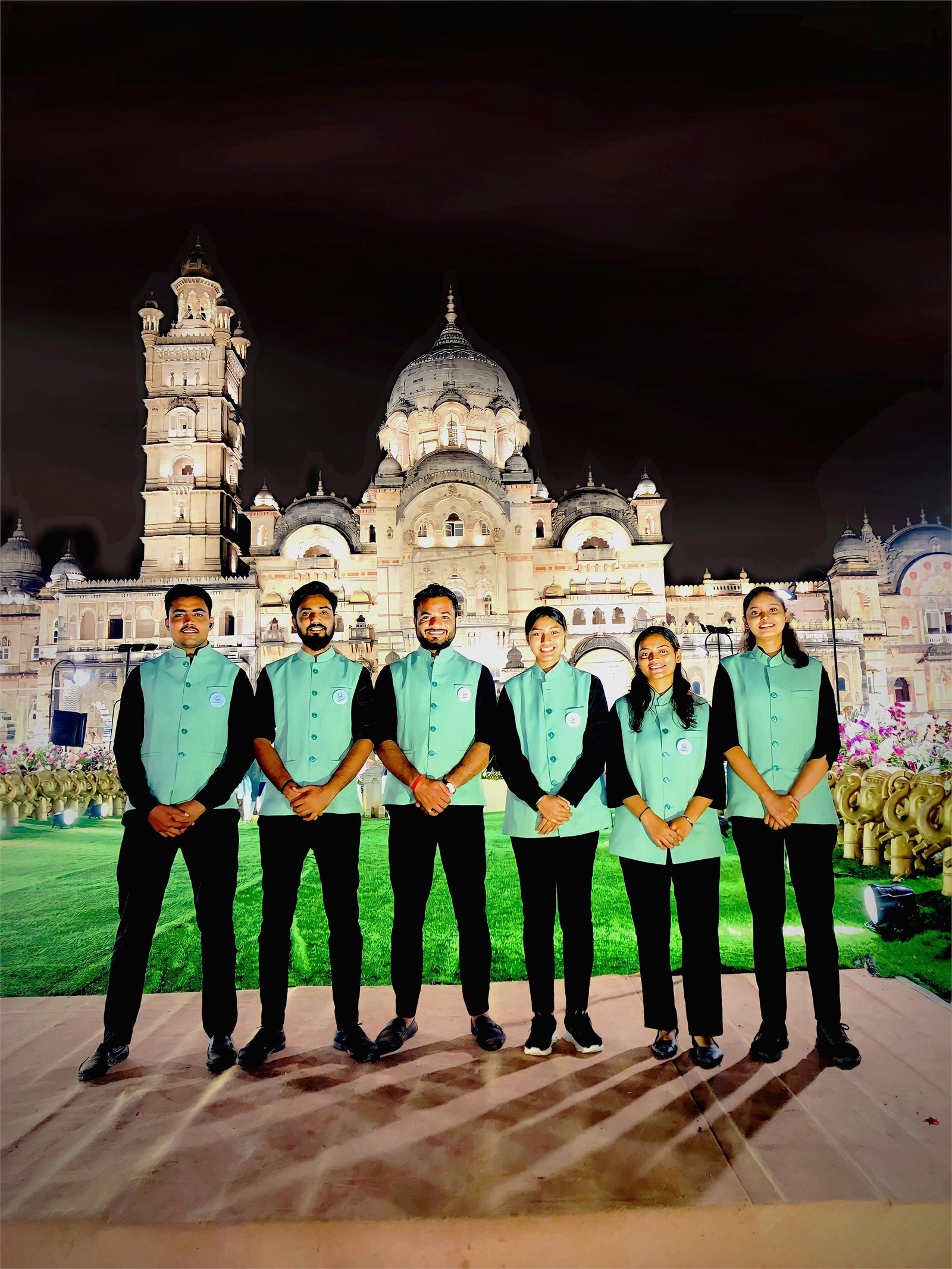
The plan names people, not departments. Each of the eight roles — RSVP, logistics, hospitality, runners, food and beverage, shadows, the ongoing event manager and the senior manager above them — is sized against the event we have just read, and the published headcounts are a starting point rather than a package you have to buy into.
It is settled with you rather than handed to you, and it is settled in writing. Everybody who travels knows what they own and who they hand it to before they leave, which is the difference between a team and a group of people who turned up on the same day.
You end this stage with A named crew, a written brief for each role, and a decision on whose brand the team carries on the floor.
The Guest List
Beginning one to two months out, because thirty days is the least that works.
This is the stage most people underestimate, and the one that quietly decides the budget. Catering, rooms, cars and seating are all bought against a number, and when that number is an invitation count rather than a confirmed one, you either pay for guests who never come or scramble for the ones nobody counted.
So it is done by conversation. Every name on the list is called by a person, what they say is written against their name, and the calling continues as plans change — which they do, right up to the week of the event.
How the calling actually works
- We join the WhatsApp group you already use, and introduce the people who will be calling your guests.
- We write three versions of the introduction message and send them to you. You choose one. Nothing reaches a guest before you have picked it.
- The chosen message goes to the list you supply, and a day later the calls begin — every name on it, one at a time.
- Calls continue back and forth as plans change, with what each guest said recorded against their name rather than in someone’s head.
- You get a report every evening, and the confirmed arrivals pass to logistics directly, so travel is planned without going through you.
You end this stage with A confirmed attending list, kept current as plans move, and an evening report while it is being built.
The Days Before
Arriving early enough that the venue is not new on the day.
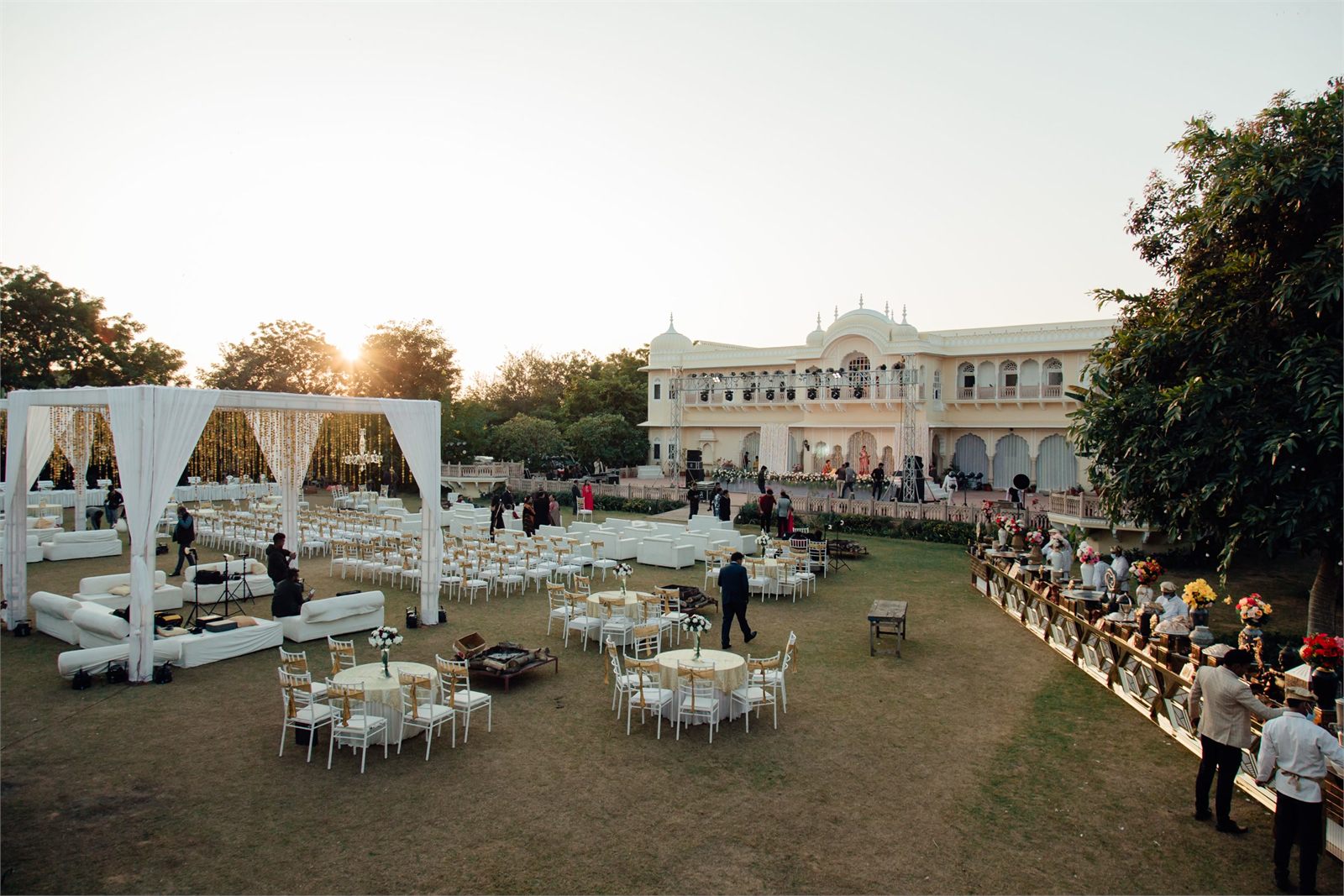
The crew reaches the venue on the agreed morning and works alongside the hotel’s own staff from the start rather than around them. Then it walks the property until the routes are known — where the service lift comes out, which corridor actually reaches the lawn, how long it takes to get from the lobby to the mandap when the lobby is full.
Hampers are packed to your counts and placed in the right rooms. Luggage tagging is agreed with the desk. And the assistance desk opens, because from that point on a guest with a question has somewhere to take it that is not a member of your family.
You end this stage with A team that knows the building, hampers in the correct rooms, and a staffed desk before the first guest needs it.
The Event Runs
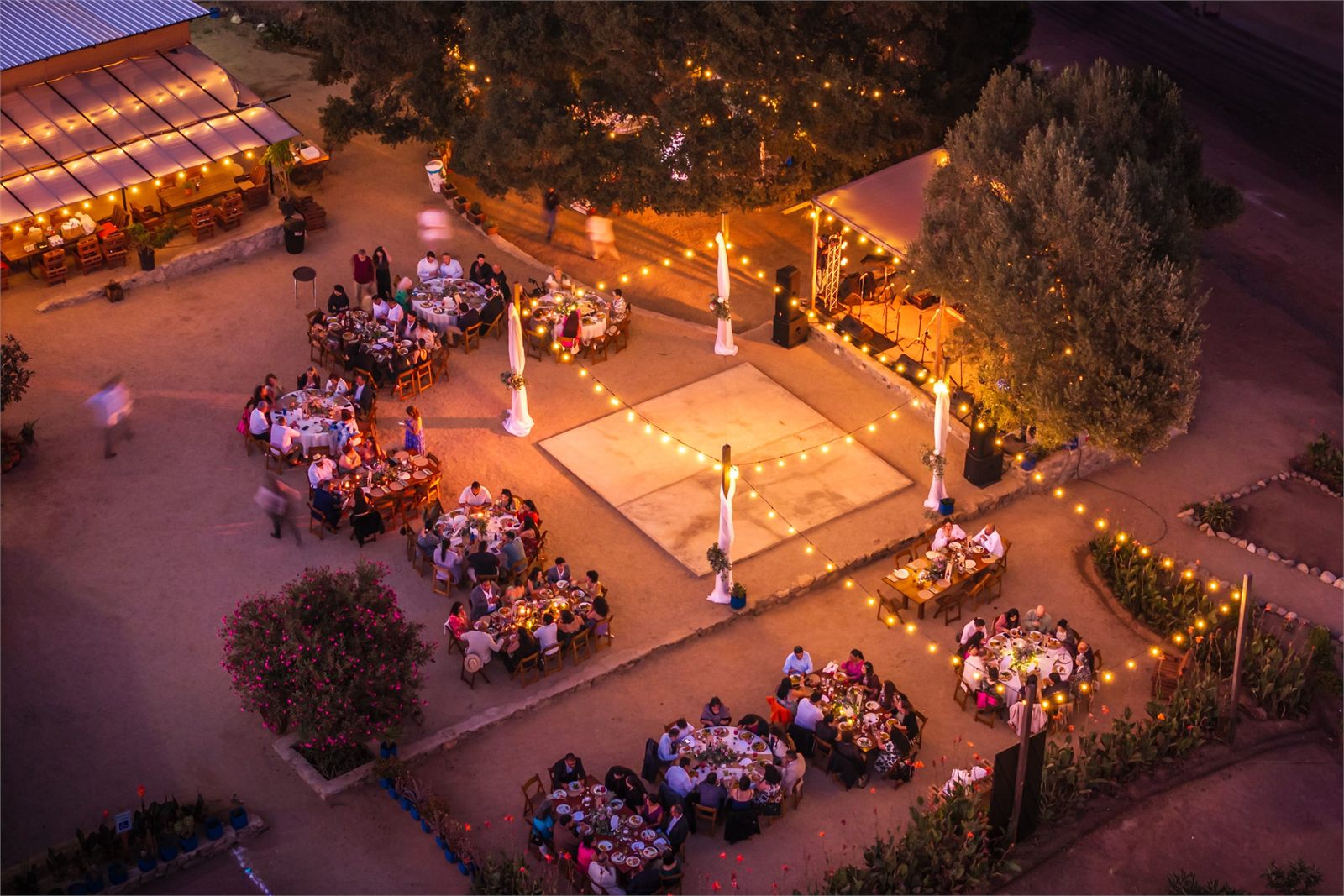
Every department working to one running order.
On the day the work is coordination rather than effort. One running order governs the whole event, and each team reads its own part of it: artists in place before their slot, entry and sangeet cues briefed to the DJ in advance, ritual items staged beside the stage before anyone asks where they are, plate counts checked while service is still running.
Shadows stay with the bride, the groom and their parents. Logistics keeps a car held rather than called for. And the senior manager sits above all of it, closing the gaps that open between two teams before those gaps reach you — which is the reason you deal with one person instead of eight.
You end this stage with Functions that begin when they are meant to, and one person reachable for the length of the event.
The Handover
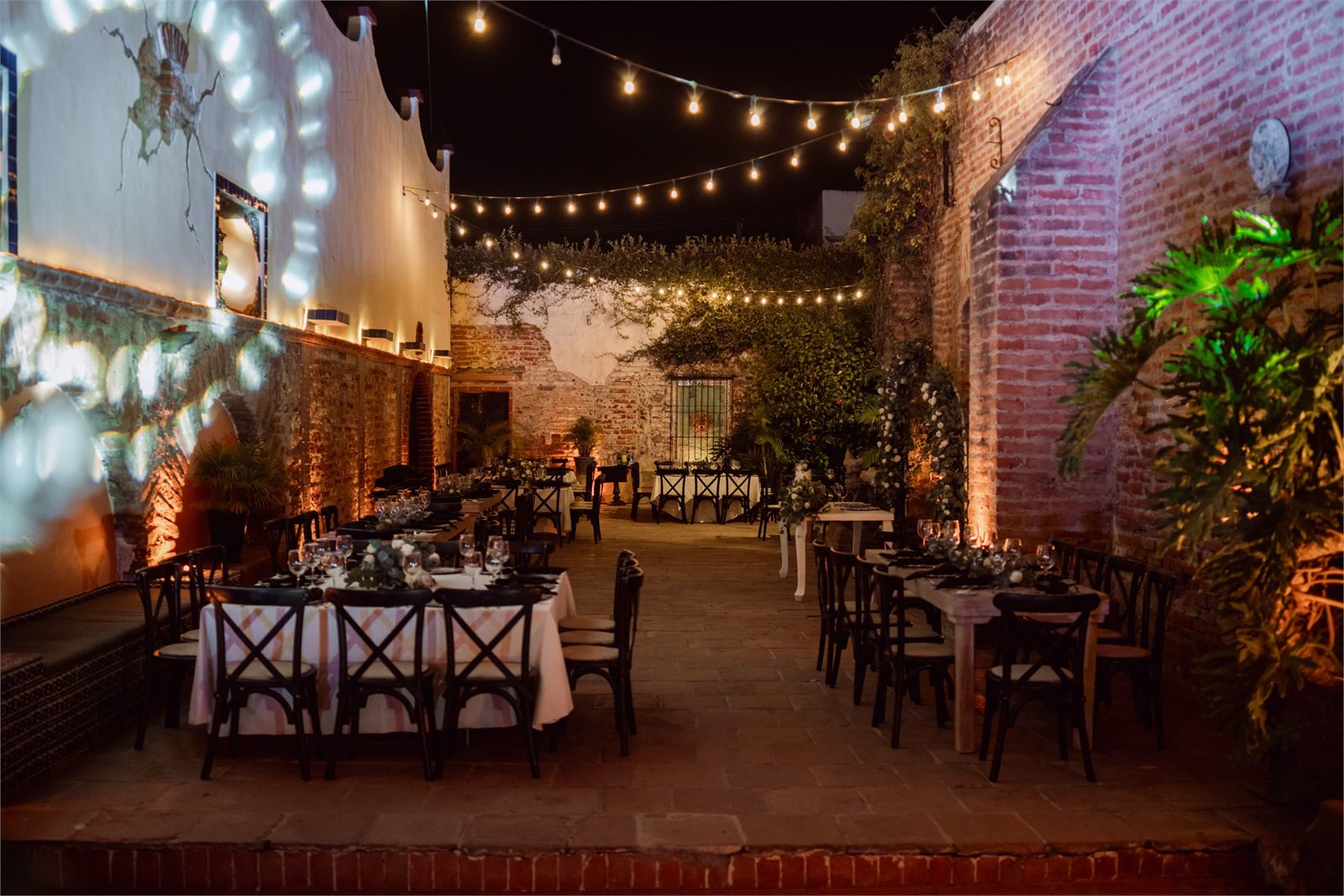
The event ends. The accounting of it should not be a conversation.
Checkout is its own piece of work, and it is the last thing anyone has energy for. Keys are collected, drops are timed against real flight and train times rather than a printed schedule, and the last hour is arranged as deliberately as the first one was.
What you are left with is a written record — every room, every extra bed, every extra room, logged as it happened. Settling the hotel bill becomes a matter of reading a document instead of reconstructing a week from memory.
You end this stage with A complete room record in your hands, and every guest on their way home with time in hand.
While It Is Running
What You Actually Hear From Us.
A process is only as good as the reporting around it. This is what reaches you, when, and without anyone having to ask for it.
You are already in the group
We work inside the WhatsApp group your family is using rather than asking anyone to learn a portal, a login or a new piece of software during their own wedding.
Nothing goes out in your name unapproved
Anything a guest receives from us is written for you to read first. You pick the wording, and it is your voice they hear, not a template.
You are told before you have to ask
Through the run-up the position on your guest list arrives every evening. It is a standing report, not something produced when somebody chases it.
One number, whatever the question
On the ground there is a single senior manager who owns every department. You never have to work out which of eight teams a problem belongs to before you can report it.
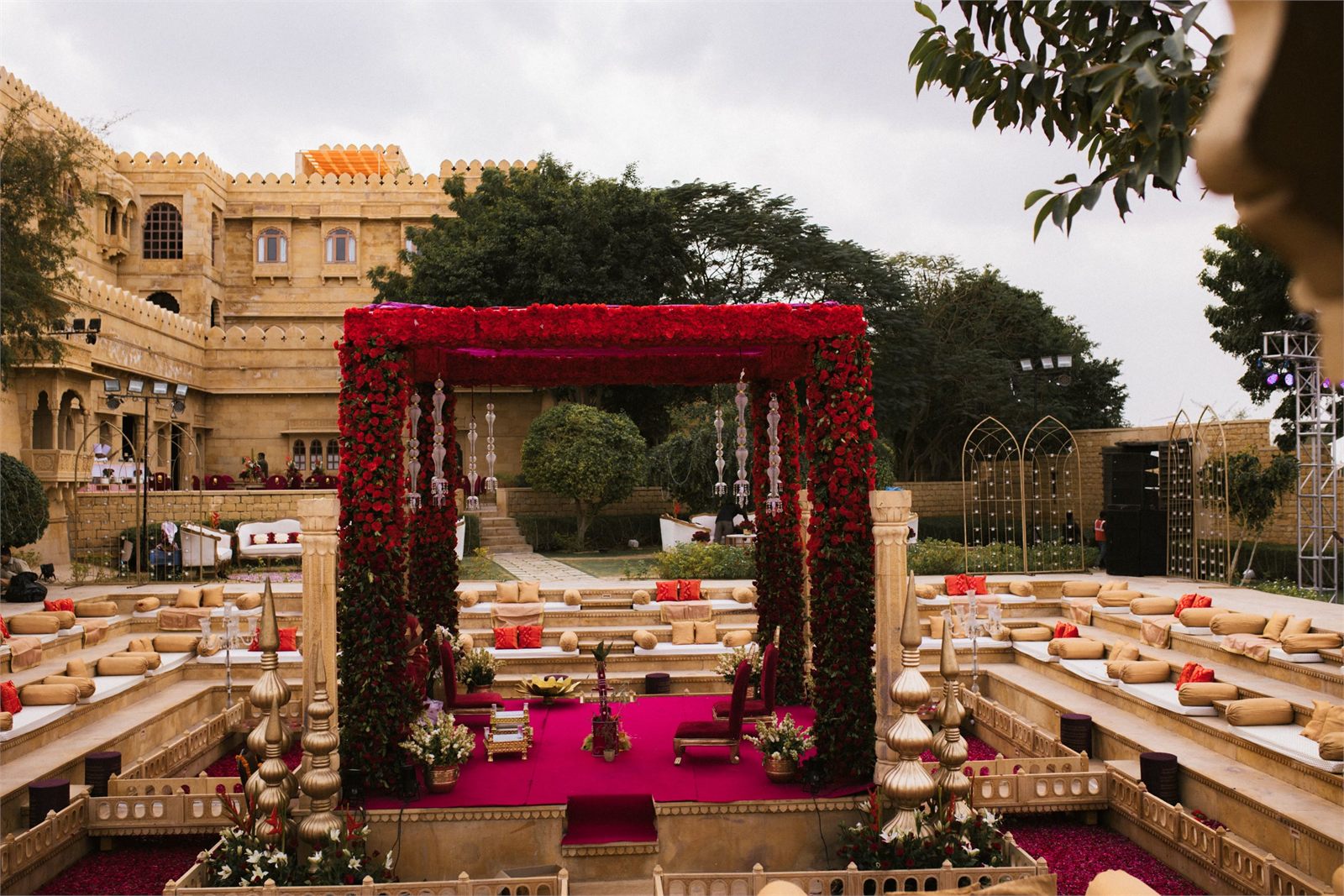
Our Management Is Beyond Your Imagination
Start at Stage One.
Tell us what you are planning and roughly when. The first conversation costs nothing and usually saves an argument later.